
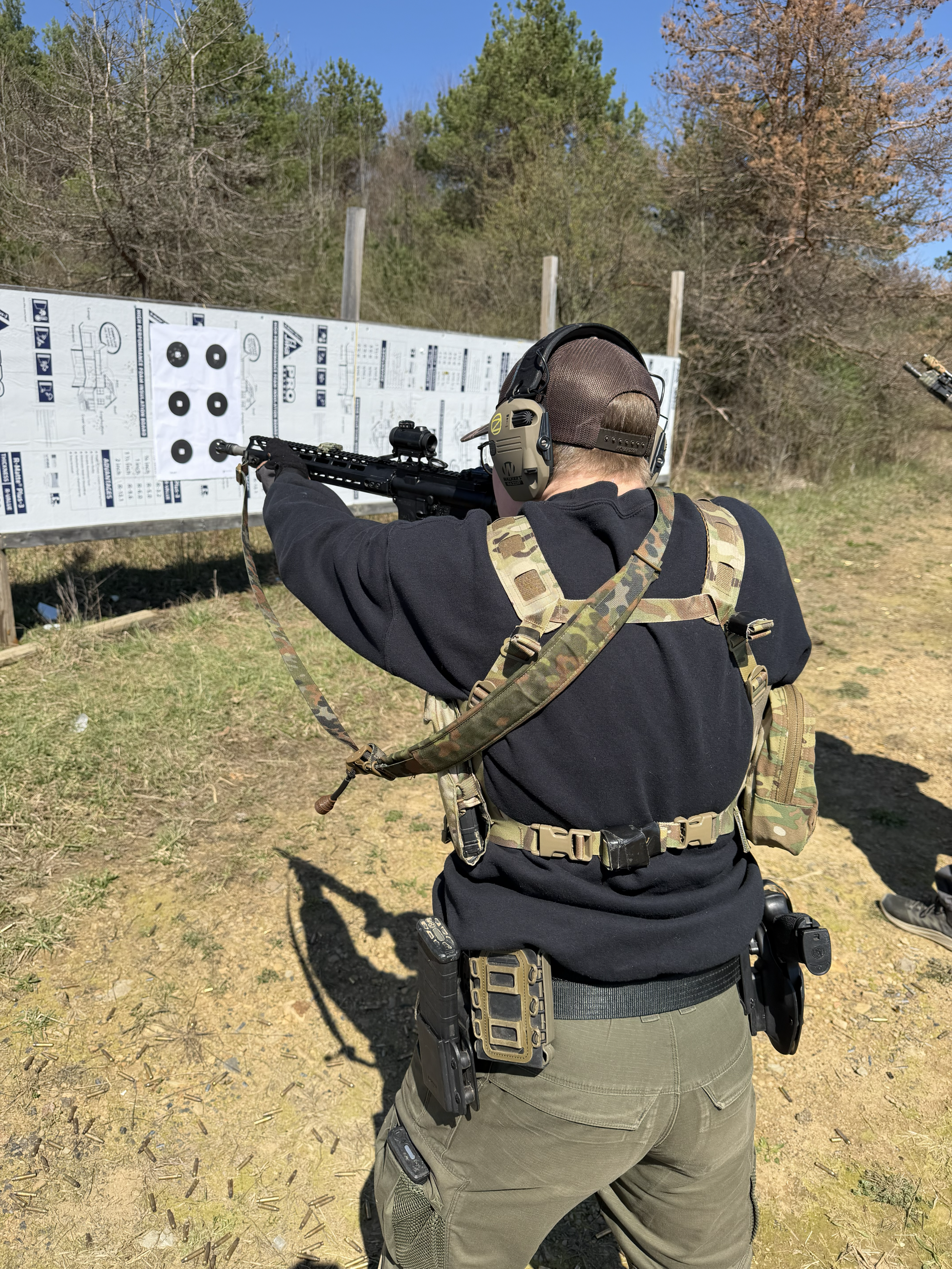
I’ve recently taught a whirlwind of firearms classes. Some have been our CTE course, Pistol Marksmanship Foundation Series, and the Six-Day SFAUC Flat Range class. One of the consistent things I’ve taken away from these classes is the need to continually go back to the basics. I’ve written multiple articles on the different principles of shooting and on the differences between Principles and Techniques.
One of the normal consequences of pushing yourself in training, as well as trying more complicated drills (both of which you should do), is inadvertently blowing off the core principles of shooting. This can lead to sloppiness on the part of the shooter. It will create bad habits if left unchecked. Part of the wisdom in going back to the 8 fundamental principles of shooting is to build and reinforce the neuropathways, to consciously train your subconscious. By doing this, you are freeing up aspects of your conscious mind to think and process, instead of focusing on breathing or the proper grip.
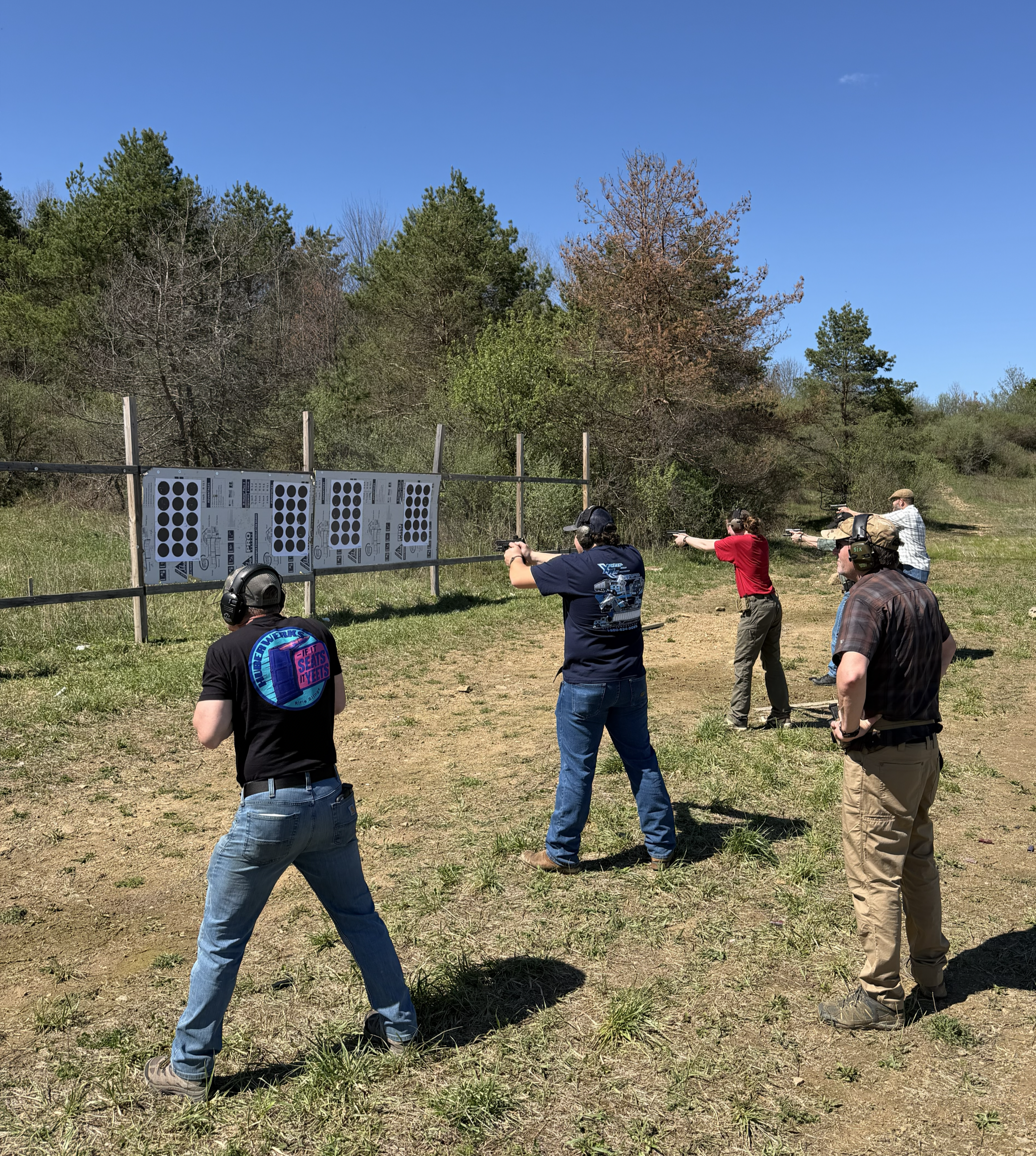
Dryfire practice is another good way to get perfect reps and build those pathways. During one of the many “down times” at SFAUC, where we talk about real gunfight experiences, I was talking about flinching or anticipating the shot. I shared that when my children were young and played with toy guns or finger guns, I instructed them to not flinch their hands in mock recoil. Just keep their hands steady as they pretend to shoot. My youngest son, who was taking SFAUC as a student, smiled and said, “Yes, I remember that. Man, I was little!” So, he never developed that bad habit. Contrast that with me, who was always playing Army or Cowboys & Indians as a kid. Every time I pretended to shoot, my hand jerked in fake recoil. That’s thousands and thousands of reps building a bad habit. One I had to work hard to erase.
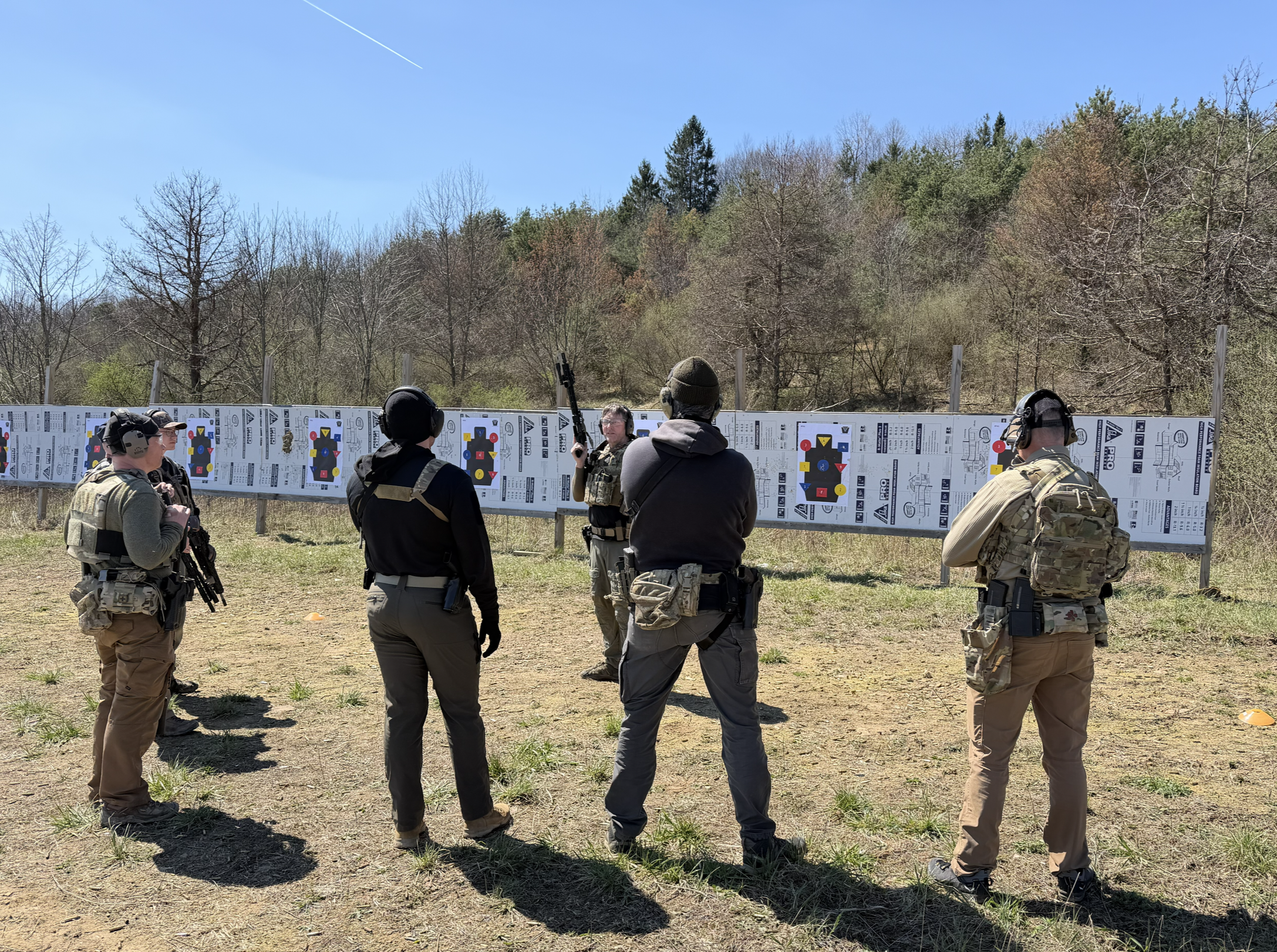
By going back to the 8 principles of shooting on a regular basis, you will be reminded what right looks like. If you upgrade, modify, or change your firearm completely, you may need to adjust your favorite technique, so as to not violate the principle. Finger placement is a perfect example. My finger placement when I shoot the M9 (I shot it so much in my military career that I had 8 broken locking blocks. That’s a badge of honor) is completely different than what I use for a Glock 19.
We have plenty of experienced shooters jump into one or two days of our Marksmanship Foundation Series courses, just to get more reps in under our eyes. Yes, push yourself, yes, do cold drills, but also take the time to work on Single Shot, Controlled pairs and the Rhythm Drill. That is some of the best shooting you can do.
—Jared Ross